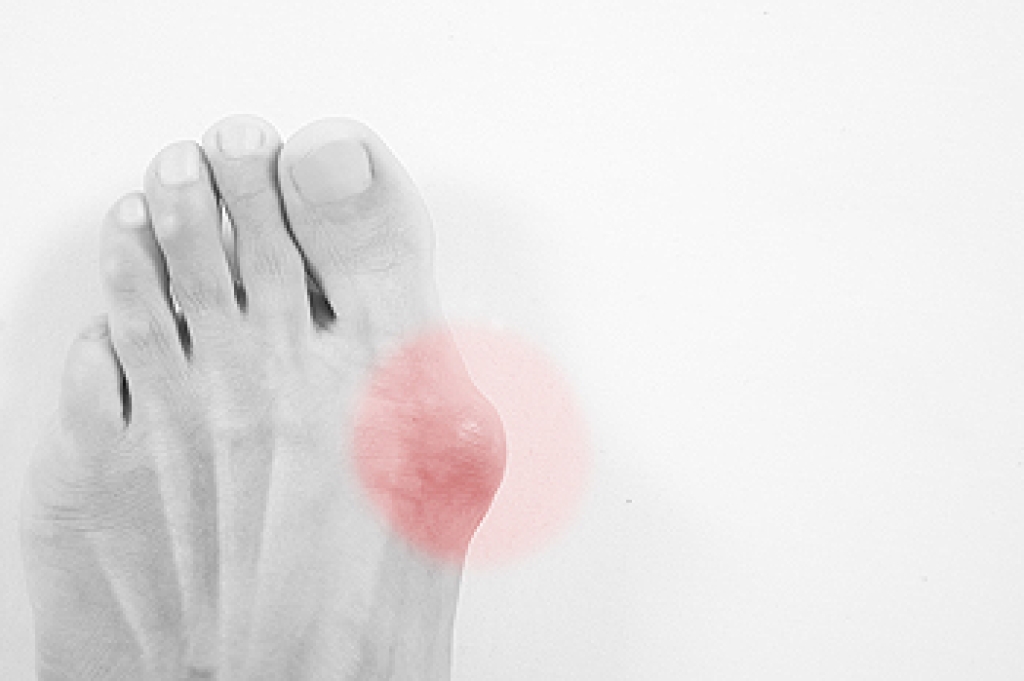
What are Bunions?

A bunion is a common foot condition that causes a visible bony protrusion to form at the base of the big or pinky toe. Bunions vary in severity, so while some may be mild, others can be painful. If a bunion is causing discomfort or pain, this could potentially lead to other foot ailments due to a shift in gait. Treatment for bunions usually begins with a change in footwear. Wearing narrow, tight, and pointed footwear can intensify an already existing bunion. Switching to wider shoes that fit properly and offer support should help to alleviate some of the symptoms associated with bunions. Shoe inserts that help improve arch support and toe spacers are also recommended in treating bunions. If these conservative methods don't provide relief, it is suggested that you consult with a local podiatrist. 

If you are suffering from bunions, contact One of our podiatrist of Santi Podiatry Group. Our doctors can provide the care you need to keep you pain-free and on your feet.

What Is a Bunion?

A bunion is formed of swollen tissue or an enlargement of boney growth, usually located at the base joint of the toe that connects to the foot. The swelling occurs due to the bones in the big toe shifting inward, which impacts the other toes of the foot. This causes the area around the base of the big toe to become inflamed and painful.

Why Do Bunions Form?

Genetics – Susceptibility to bunions are often hereditary

Stress on the feet – Poorly fitted and uncomfortable footwear that places stress on feet, such as heels, can worsen existing bunions

How Are Bunions Diagnosed?

Doctors often perform two tests – blood tests and x-rays – when trying to diagnose bunions, especially in the early stages of development. Blood tests help determine if the foot pain is being caused by something else, such as arthritis, while x-rays provide a clear picture of your bone structure to your doctor.

How Are Bunions Treated?

  • Refrain from wearing heels or similar shoes that cause discomfort
  • Select wider shoes that can provide more comfort and reduce pain
  • Anti-inflammatory and pain management drugs
  • Orthotics or foot inserts
  • Surgery

If you have any questions, please feel free to contact our offices located in on 5th Street and Kings Highway Brooklyn, NY . We offer the newest diagnostic and treatment technologies for all your foot care needs.

Read more about What Are Bunions?

Finding Relief From Hammertoes

Hammertoes develop when one or more toe joints bend abnormally, causing the toe to curl downward instead of lying flat. Over time, this imbalance can make it painful to wear shoes or walk comfortably. Genetics, tight footwear, high heels, or muscle imbalance often contribute to the problem, which may start as flexible and later become rigid. Early treatment can help prevent progression and reduce discomfort. Conservative options include wearing shoes with roomy toe boxes, using custom orthotics, and performing gentle toe stretches to restore flexibility. Padding or splints can also ease pressure on the affected joints. In more advanced cases, a podiatrist may recommend minimally invasive surgery to realign the toe and restore natural movement. If your toes feel stiff, sore, or bent out of shape, it is suggested that you schedule an appointment with a podiatrist to discuss effective treatment options.

Hammertoe

Hammertoes can be a painful condition to live with. For more information, contact One of our podiatrist from Santi Podiatry Group. Our doctors will answer any of your foot- and ankle-related questions.

Hammertoe is a foot deformity that affects the joints of the second, third, fourth, or fifth toes of your feet. It is a painful foot condition in which these toes curl and arch up, which can often lead to pain when wearing footwear.

Symptoms

  • Pain in the affected toes
  • Development of corns or calluses due to friction
  • Inflammation
  • Redness
  • Contracture of the toes

Causes

Genetics – People who are genetically predisposed to hammertoe are often more susceptible

Arthritis – Because arthritis affects the joints in your toes, further deformities stemming from arthritis can occur

Trauma – Direct trauma to the toes could potentially lead to hammertoe

Ill-fitting shoes – Undue pressure on the front of the toes from ill-fitting shoes can potentially lead to the development of hammertoe

Treatment

Orthotics – Custom made inserts can be used to help relieve pressure placed on the toes and therefore relieve some of the pain associated with it

Medications – Oral medications such as anti-inflammatories or NSAIDs could be used to treat the pain and inflammation hammertoes causes. Injections of corticosteroids are also sometimes used

Surgery – In more severe cases where the hammertoes have become more rigid, foot surgery is a potential option

If you have any questions, please feel free to contact our offices located in on 5th Street and Kings Highway Brooklyn, NY . We offer the newest diagnostic and treatment technologies for all your foot care needs.
Read more about What Are Hammertoes?

Let the Expert Treat Your Ingrown Toenails

Ingrown toenails can be painful and can make wearing shoes or walking uncomfortable. Seek professional help if you believe you've developed an ingrown toenail and be treated safely. 

Foot Alignment Problems in Children

As children grow, their feet and legs constantly change, sometimes leading to alignment problems such as inward or outward turning or flattened arches. These issues can result from differences in bone growth, muscle tightness, or ligament flexibility. Most mild cases improve with age, but some may cause pain, uneven gait, or frequent tripping, if not corrected. A podiatrist can determine whether the condition is part of normal development or needs treatment. Wearing supportive shoes, gentle stretching, and specially designed orthotics can help realign the feet and encourage healthy movement. In certain situations, targeted exercises or braces may be used to guide proper positioning as a child continues to grow. If you notice your child walking unevenly, stumbling often, or showing signs of discomfort, it is suggested that you have their feet evaluated by a podiatrist to ensure healthy development and alignment.

Making sure that your children maintain good foot health is very important as they grow. If you have any questions, contact One of our podiatrist of Santi Podiatry Group. Our doctors can provide the care you need to keep you pain-free and on your feet.

Keeping Children's Feet Healthy

Having healthy feet during childhood can help prevent medical problems later in life, namely in the back and legs. As children grow, their feet require different types of care. Here are some things to consider...

Although babies do not walk yet, it is still very important to take care of their feet.

Avoid putting tight shoes or socks on his or her feet.

Allow the baby to stretch and kick his or her feet to feel comfortable.

As a toddler, kids are now on the move and begin to develop differently. At this age, toddlers are getting a feel for walking, so don’t be alarmed if your toddler is unsteady or ‘walks funny’. 

As your child gets older, it is important to teach them how to take care of their feet.

Show them proper hygiene to prevent infections such as fungus.

Be watchful for any pain or injury.

Have all injuries checked by a doctor as soon as possible.

Comfortable, protective shoes should always be worn, especially at play.

If you have any questions, please feel free to contact our offices located in on 5th Street and Kings Highway Brooklyn, NY . We offer the newest diagnostic and treatment technologies for all your foot care needs.
Read more about What to Do to Keep Your Child’s Feet Healthy

What Can Cause Flat Feet?

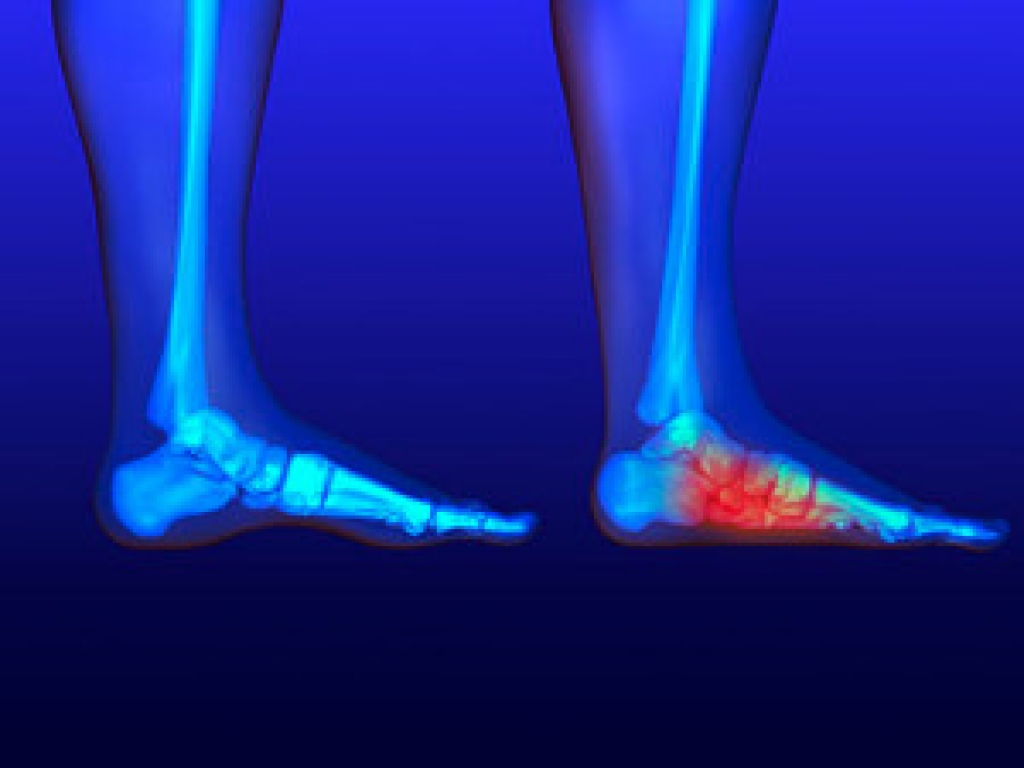
When the foot lies completely on the floor while standing barefoot, it may indicate a condition known as pes planus, or flat feet. The gap that is normally found between the arch and floor is nonexistent, which may affect the natural gait. Flat feet can occur from genetic reasons or possibly from an injury. In addition, certain medical conditions may cause flat feet to develop. These include cerebral palsy, diabetes, or obesity, which may affect the nerves. Symptoms typically associated with flat feet include pain in the heel and arch area, foot fatigue, and difficulty stand for long periods. A podiatrist can prescribe custom orthotics for arch support, along with stretches that can help to strengthen the feet. If you have flat feet that are causing problems, it is suggested that you make an appointment with a podiatrist for a exam and treatment options.

Flatfoot is a condition many people suffer from. If you have flat feet, contact One of our podiatrist from Santi Podiatry Group. Our doctors will treat your foot and ankle needs.

What Are Flat Feet?

Flatfoot is a condition in which the arch of the foot is depressed and the sole of the foot is almost completely in contact with the ground. About 20-30% of the population generally has flat feet because their arches never formed during growth.

Conditions & Problems:

Having flat feet makes it difficult to run or walk because of the stress placed on the ankles.

Alignment – The general alignment of your legs can be disrupted, because the ankles move inward which can cause major discomfort.

Knees – If you have complications with your knees, flat feet can be a contributor to arthritis in that area.  

Symptoms

  • Pain around the heel or arch area
  • Trouble standing on the tip toe
  • Swelling around the inside of the ankle
  • Flat look to one or both feet
  • Having your shoes feel uneven when worn

Treatment

If you are experiencing pain and stress on the foot you may weaken the posterior tibial tendon, which runs around the inside of the ankle. 

If you have any questions, please feel free to contact our offices located in on 5th Street and Kings Highway Brooklyn, NY . We offer the newest diagnostic and treatment technologies for all your foot care needs.

Read more about Flat Feet
scroll to top