
Diabetic patients often have decreased sensitivity in their feet, which makes a visual inspection of the feet even more important. If you're diabetic, having periodic screenings is extremely important for maintaining the overall health of your feet.
Diabetic patients often have decreased sensitivity in their feet, which makes a visual inspection of the feet even more important. If you're diabetic, having periodic screenings is extremely important for maintaining the overall health of your feet.
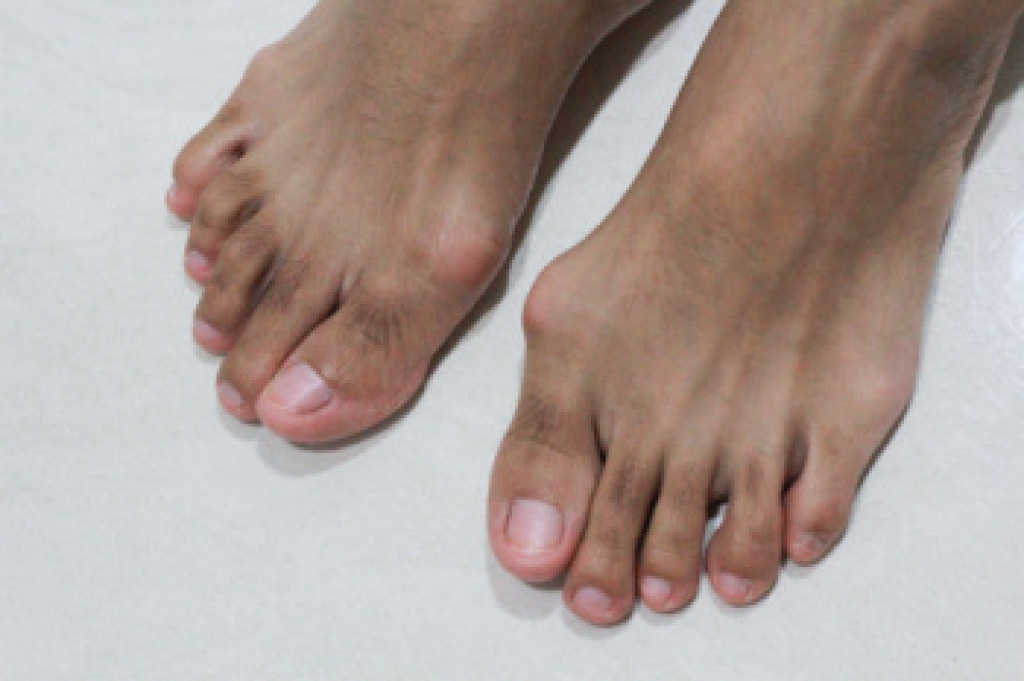
A bunion develops when the bones and soft tissues around the big toe joint slowly lose their normal alignment and stability. The process often begins when the small supporting bones and ligaments beneath the joint weaken and no longer hold the toe in its proper position. As this support breaks down, the base of the big toe starts to shift outward, forming a bump, while the top of the big toe angles toward the second toe. This causes the tendons that help bend and straighten the big toe to be pulled out of place, which increases the sideways drift of the toe. A muscle along the outside of the foot then pulls the big toe into a twisted position, making the joint unstable. Over time, the joint rotates and becomes loose, leading to a visibly angled big toe and the prominent bump seen with a bunion. If you have a painful bunion, it is suggested that you make an appointment with a podiatrist for help.
If you are suffering from bunion pain, contact One of our podiatrist of Santi Podiatry Group. Our doctors can provide the care you need to keep you pain-free and on your feet.
What Is a Bunion?
Bunions are painful bony bumps that usually develop on the inside of the foot at the joint of the big toe. As the deformity increases over time, it may become painful to walk and wear shoes. Women are more likely to exacerbate existing bunions since they often wear tight, narrow shoes that shift their toes together. Bunion pain can be relieved by wearing wider shoes with enough room for the toes.
Causes
Symptoms
In order to diagnose your bunion, your podiatrist may ask about your medical history, symptoms, and general health. Your doctor might also order an x-ray to take a closer look at your feet. Nonsurgical treatment options include orthotics, padding, icing, changes in footwear, and medication. If nonsurgical treatments don’t alleviate your bunion pain, surgery may be necessary.
If you have any questions, please feel free to contact our offices located in on 5th Street and Kings Highway Brooklyn, NY . We offer the newest diagnostic and treatment technologies for all your foot care needs.

A serious stubbed toe can cause more than brief pain especially when the impact is forceful or awkward. Common causes include running into furniture, sports injuries, or falls. Symptoms may involve sharp pain, swelling, bruising, and difficulty moving the toe. The toe may look red, crooked, or enlarged and it can feel tender or unstable when walking. A podiatrist can help by starting with a careful examination and imaging such as X-rays to determine whether the injury is a sprain or a fracture. Early treatment may include protection taping or immobilization, followed by gradual return to activity. More severe injuries may require specialized care to ensure proper healing and alignment. Ignoring symptoms can delay recovery and increase long-term joint stiffness. If you have a serious stubbed toe that could be broken or sprained, it is suggested that you make an appointment with a podiatrist.
Toe pain can disrupt your daily activities. If you have any concerns, contact One of our podiatrist of Santi Podiatry Group. Our doctors can provide the care you need to keep you pain-free and on your feet.
What Causes Toe Pain?
Most severe toe pain is caused due to a sports injury, trauma from dropping something heavy on the toe, or bumping into something rigid. Other problems can develop over time for various reasons.
Toe pain can be caused by one or more ailments. The most common include:
When to See a Podiatrist
Diagnosis
In many cases the cause of toe pain is obvious, but in others, a podiatrist may want to use more advanced methods to determine the problem. These can range from simple visual inspections and sensation tests to X-rays and MRI scans. Prior medical history, family medical history, and any recent physical traumatic events will all be taken into consideration for a proper diagnosis.
Treatment
Treatments for toe pain and injuries vary and may include shoe inserts, padding, taping, medicines, injections, and in some cases, surgery. If you believe that you have broken a toe, please see a podiatrist as soon as possible.
If you have any questions please contact our offices located in on 5th Street and Kings Highway Brooklyn, NY . We offer the newest diagnostic and treatment technologies for all your foot and ankle needs.
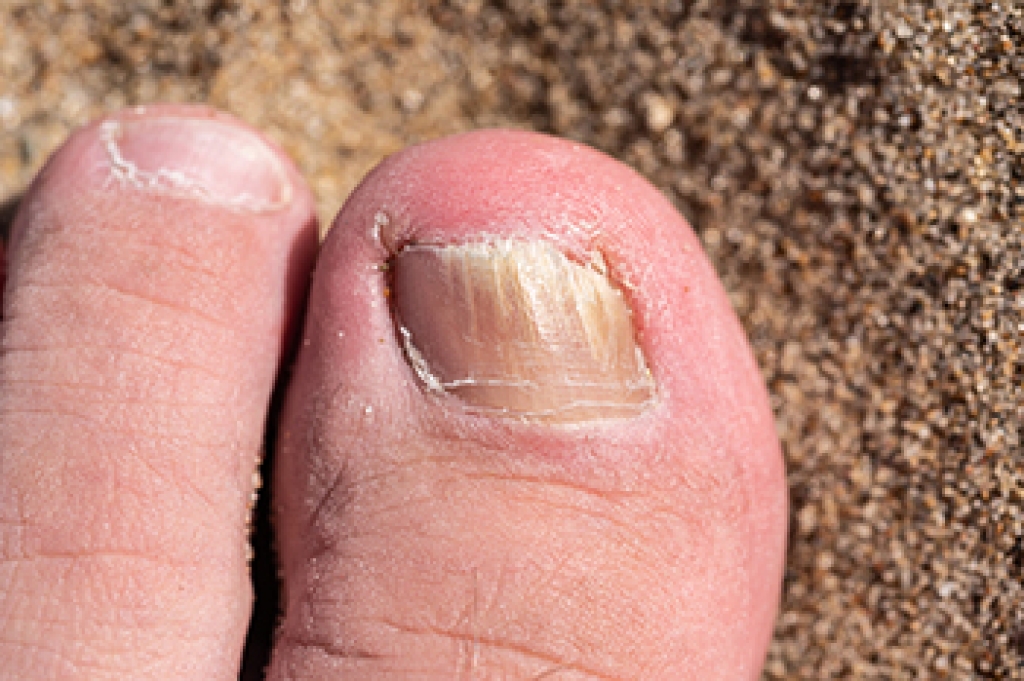
Fungal toenails develop gradually and affect the appearance and health of nails. Symptoms include thickened nails, discoloration ranging from yellow to brown, brittle edges, and changes in nail shape. Some people notice lifting of the nail from the nail bed, surface debris, or an unpleasant odor. Discomfort can occur when pressure is applied. Causes are linked to fungal organisms that thrive in warm, moist environments and enter through small breaks in the nail or surrounding skin. Risk factors include nail trauma, reduced circulation, and advancing age. Certain medical conditions and prolonged exposure to damp footwear or communal surfaces are other factors. A podiatrist can confirm the diagnosis through examination and testing and rule out other nail disorders. Medical treatment is aimed at clearing infection and protecting nail growth. If you have symptoms of toenail fungus, it is suggested that you make an appointment with a podiatrist for an exam, diagnosis, and treatment.
If left untreated, toenail fungus may spread to other toenails, skin, or even fingernails. If you suspect you have toenail fungus it is important to seek treatment right away. For more information about treatment, contact One of our podiatrist of Santi Podiatry Group. Our doctors can provide the care you need to keep you pain-free and on your feet.
Symptoms
Treatment
If self-care strategies and over-the-counter medications does not help your fungus, your podiatrist may give you a prescription drug instead. Even if you find relief from your toenail fungus symptoms, you may experience a repeat infection in the future.
Prevention
In order to prevent getting toenail fungus in the future, you should always make sure to wash your feet with soap and water. After washing, it is important to dry your feet thoroughly especially in between the toes. When trimming your toenails, be sure to trim straight across instead of in a rounded shape. It is crucial not to cover up discolored nails with nail polish because that will prevent your nail from being able to “breathe”.
In some cases, surgical procedure may be needed to remove the toenail fungus. Consult with your podiatrist about the best treatment options for your case of toenail fungus.
If you have any questions please contact our offices located in on 5th Street and Kings Highway Brooklyn, NY . We offer the newest diagnostic and treatment technologies for all your foot and ankle needs.

Diabetic foot ulcers are a serious complication of diabetes that develop when high blood sugar and reduced circulation impair the skin’s ability to heal. These ulcers often appear on the bottom of the foot or pressure points and may look like open sores with surrounding redness or thickened edges. They can feel painful, or in some cases numb due to nerve damage, making them easy to overlook until infection occurs. Causes include nerve damage, poor circulation, prolonged pressure, and minor injuries that do not heal properly. A podiatrist begins with a careful exam, assessing circulation, sensation, and the depth of the ulcer, often using imaging or lab tests to rule out infection. Treatment may include specialized wound care and debridement, custom orthotics or offloading devices to reduce pressure, and education on proper foot care to prevent recurrence. If you have diabetes, and suffer from foot ulcers, it is suggested that you make an appointment with a podiatrist.
Diabetic foot care is important in preventing foot ailments such as ulcers. If you are suffering from diabetes or have any other concerns about your feet, contact One of our podiatrist from Santi Podiatry Group. Our doctors can provide the care you need to keep you pain-free and on your feet.
Diabetic Foot Care
Diabetes affects millions of people every year. The condition can damage blood vessels in many parts of the body, especially the feet. Because of this, taking care of your feet is essential if you have diabetes, and having a podiatrist help monitor your foot health is highly recommended.
The Importance of Caring for Your Feet
Patients with diabetes should have their doctor monitor their blood levels, as blood sugar levels play such a huge role in diabetic care. Monitoring these levels on a regular basis is highly advised.
It is always best to inform your healthcare professional of any concerns you may have regarding your feet, especially for diabetic patients. Early treatment and routine foot examinations are keys to maintaining proper health, especially because severe complications can arise if proper treatment is not applied.
If you have any questions, please feel free to contact our offices located in on 5th Street and Kings Highway Brooklyn, NY . We offer the newest diagnostic and treatment technologies for all your foot care needs.

