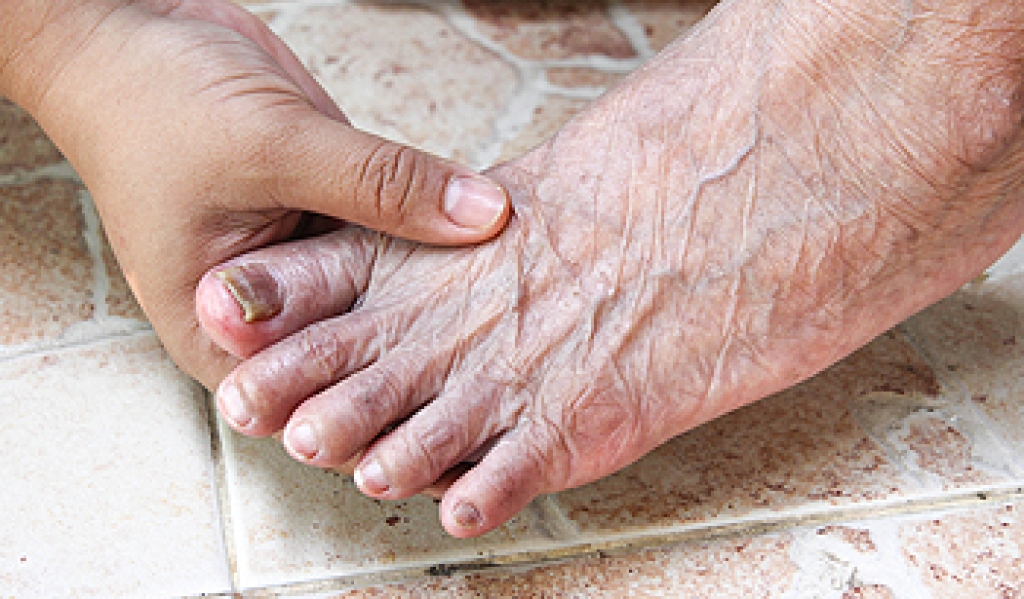
How Feet Change With Age

As people grow older, the feet naturally undergo changes that may increase the risk of discomfort and foot-related conditions. The supportive tissues of the feet may gradually lose elasticity and cushioning, which can lead to increased pressure on joints and bones. These changes may make older people more susceptible to foot pain and mobility concerns. Common foot problems associated with aging include arthritis, bunions, plantar fasciitis, and hammertoes. Symptoms may involve stiffness, swelling, reduced flexibility, and discomfort while walking or standing. A podiatrist can evaluate foot structure, diagnose underlying conditions, and recommend personalized treatment, such as supportive footwear guidance, custom orthotic devices, and targeted care. If you are elderly and have developed foot pain, it is suggested that you consult a podiatrist who can offer effective relief and prevention tips.

If you need your feet checked, contact One of our podiatrist of Santi Podiatry Group. Our doctors will attend to all of your foot and ankle needs and provide you with quality treatment.

Geriatrics and Podiatry
When people age, some common issues that may occur are bone density loss, dry skin, poor circulation, and rough brittle nails. These issues may also affect your foot health if the necessary steps are not taken to alleviate the problems.

It is important to take care of your feet because feet that are injured or diseased can affect your overall health. Having painful feet hinders your ability to do daily activities or may decrease your willingness to do the things that you need to do.

Visiting Your Geriatrician
As we age, health problems become more likely, so it is essential to visit your doctor for check-ups to ensure that you are doing the best you can to take care of your health. It is recommended to check your feet frequently for any possible cuts, bruises, swelling, corns or any other irregularities. 

Taking Care of Elderly Feet
Cracked or dry feet can be treated by applying moisturizer often. It is also important not to wear old socks because the older the sock is, the higher the possibility there will be that there is bacteria there. Wear fresh socks and make sure they fit properly.

Proper foot health means that you can have a more active lifestyle and you will not be bogged down by pain. Foot health also leads to good circulation, which is paramount for overall health.

If you have any questions, please feel free to contact our offices located in on 5th Street and Kings Highway Brooklyn, NY . We offer the newest diagnostic and treatment technologies for all your foot care needs.
Read more about Geriatrics and Podiatry

Types and Causes of Foot Deformities

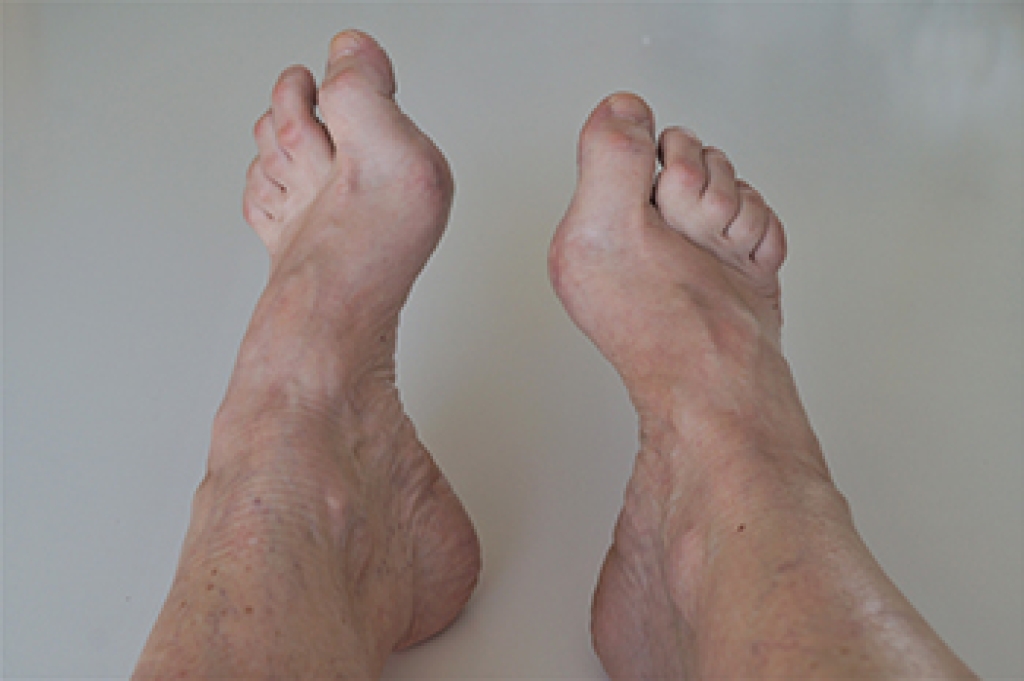
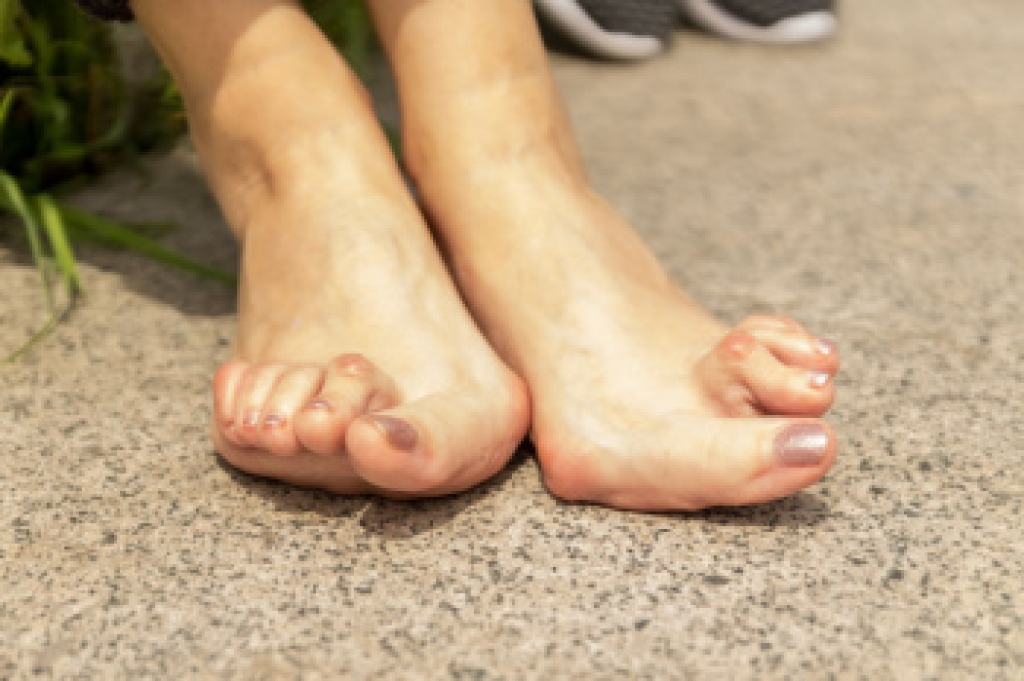
Foot deformities occur when the bones, joints, muscles, and ligaments that support the foot move out of their normal position. The foot is built to be strong and flexible so it can support body weight and allow smooth walking. When its structure changes, the shape of the foot and the way a person walks may also change. Several types of foot deformities can develop. A splayfoot occurs when the bones in the front of the foot spread apart, making the forefoot wider. Flat feet develop when the arch, the curved area under the foot that helps absorb shock, becomes lowered. High-arched feet have an arch that is higher than normal and place more pressure on the heel and ball of the foot. Some deformities, such as clubfoot, are present at birth. Others develop over time due to injury, arthritis, tight shoes, or repeated strain on the feet. A podiatrist can evaluate foot structure and recommend treatment to improve comfort and walking ability. If you have a foot deformity, it is suggested that you make an appointment with a podiatrist for an exam, diagnosis, and treatment.

If you have any concerns about your feet, contact One of our podiatrist from Santi Podiatry Group. Our doctors can provide the care you need to keep you pain-free and on your feet.

Biomechanics in Podiatry

Podiatric biomechanics is a particular sector of specialty podiatry with licensed practitioners who are trained to diagnose and treat conditions affecting the foot, ankle and lower leg. Biomechanics deals with the forces that act against the body, causing an interference with the biological structures. It focuses on the movement of the ankle, the foot and the forces that interact with them.

A History of Biomechanics

  • Biomechanics dates back to the BC era in Egypt where evidence of professional foot care has been recorded.
  • In 1974, biomechanics gained a higher profile from the studies of Merton Root, who claimed that by changing or controlling the forces between the ankle and the foot, corrections or conditions could be implemented to gain strength and coordination in the area.

Modern technological improvements are based on past theories and therapeutic processes that provide a better understanding of podiatric concepts for biomechanics. Computers can provide accurate information about the forces and patterns of the feet and lower legs.

Understanding biomechanics of the feet can help improve and eliminate pain, stopping further stress to the foot.

If you have any questions please feel free to contact our offices located in on 5th Street and Kings Highway Brooklyn, NY . We offer the newest diagnostic and treatment technologies for all your foot and ankle needs.

Read more about Biomechanics in Podiatry

Rheumatoid Arthritis and Foot Health

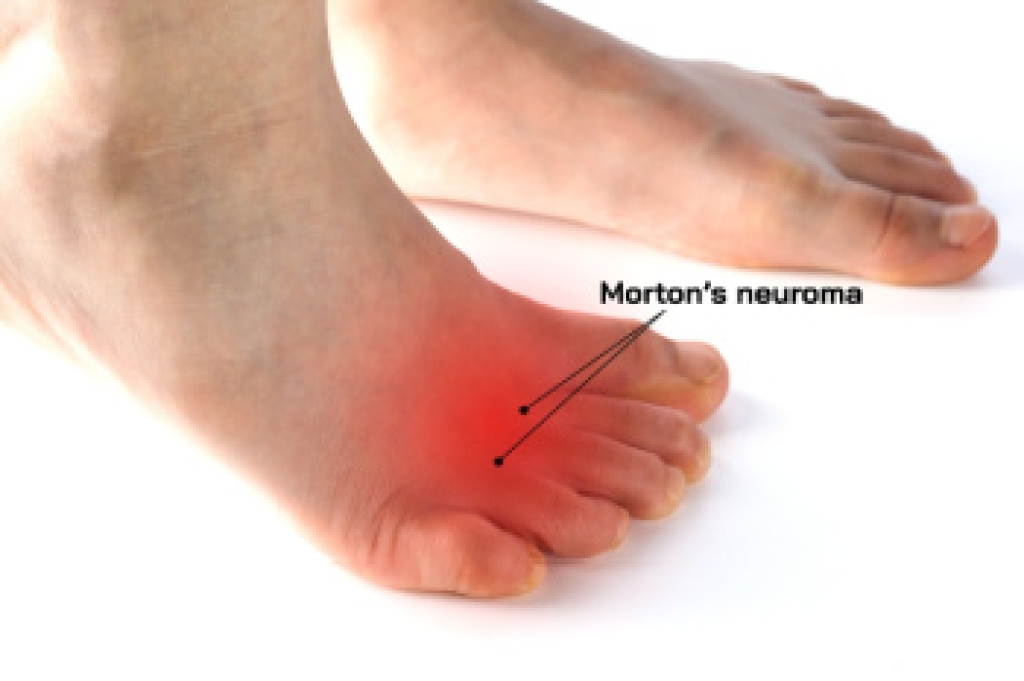
Rheumatoid arthritis is a chronic autoimmune-related disease. It causes the immune system to attack healthy joint tissue, which leads to inflammation, pain, and long-term damage. This condition often affects small joints in the feet and hands, creating stiffness, swelling, warmth, and joint-related deformities that can limit daily activities. Common risk factors include family history, smoking, hormonal influences, and middle-aged onset, although it can develop at any stage of life. Early-stage symptoms may feel mild, but can quickly progress without proper care. A podiatrist plays a vital role in managing weight-bearing stress, reducing pain, improving mobility, and recommending custom orthotics or supportive footwear. If you have persistent foot discomfort, it is suggested that you consult a podiatrist who can offer helpful relief and management tips.

Because RA affects more than just your joints, including the joints in your feet and ankles, it is important to seek early diagnosis from your podiatrist if you feel like the pain in your feet might be caused by RA. For more information, contact One of our podiatrist of Santi Podiatry Group. Our doctors will assist you with all of your podiatric concerns.

What Is Rheumatoid Arthritis?

Rheumatoid Arthritis (RA) is an autoimmune disorder in which the body’s own immune system attacks the membranes surrounding the joints. Inflammation of the lining and eventually the destruction of the joint’s cartilage and bone occur, causing severe pain and immobility.

Rheumatoid Arthritis of the Feet

Although RA usually attacks multiple bones and joints throughout the entire body, almost 90 percent of cases result in pain in the foot or ankle area.

Symptoms

  • Swelling and pain in the feet
  • Stiffness in the feet
  • Pain on the ball or sole of feet
  • Joint shift and deformation

Diagnosis

Quick diagnosis of RA in the feet is important so that the podiatrist can treat the area effectively. Your doctor will ask you about your medical history, occupation, and lifestyle to determine the origin of the condition. Rheumatoid Factor tests help to determine if someone is affected by the disease.

If you have any questions, please feel free to contact our offices located in on 5th Street and Kings Highway Brooklyn, NY . We offer the newest diagnostic and treatment technologies for all your foot care needs.
Read more about Rheumatoid Arthritis in the Feet

Symptoms of Morton’s Neuroma

Morton’s neuroma is a condition in which the nerve between the metatarsal bones becomes thickened from repeated compression and irritation. It most often develops between the third and fourth toes and is commonly seen in individuals who wear narrow shoes or participate in high impact activities. Rather than visible swelling, the primary complaint is nerve-related pain. Patients frequently describe electric, shooting discomfort in the ball of the foot, along with tingling or numbness in the toes. Some feel as though their sock is bunched up or that they are stepping on a small object. Symptoms may worsen with prolonged walking and improve when shoes are removed. A podiatrist can identify the affected area through examination and specific pressure testing, and imaging may be used to confirm the diagnosis. Treatment may include footwear changes, custom orthotics, anti-inflammatory care, or injections to calm the nerve. If you suspect you may have Morton’s neuroma, it is suggested that you make an appointment with a podiatrist for proper evaluation and treatment.

Morton’s neuroma is a very uncomfortable condition to live with. If you think you have Morton’s neuroma, contact One of our podiatrist of Santi Podiatry Group. Our doctors will attend to all of your foot care needs and answer any of your related questions.  

Morton’s Neuroma

Morton's neuroma is a painful foot condition that commonly affects the areas between the second and third or third and fourth toe, although other areas of the foot are also susceptible. Morton’s neuroma is caused by an inflamed nerve in the foot that is being squeezed and aggravated by surrounding bones.

What Increases the Chances of Having Morton’s Neuroma?

  • Ill-fitting high heels or shoes that add pressure to the toe or foot
  • Jogging, running or any sport that involves constant impact to the foot
  • Flat feet, bunions, and any other foot deformities

Morton’s neuroma is a very treatable condition. Orthotics and shoe inserts can often be used to alleviate the pain on the forefront of the feet. In more severe cases, corticosteroids can also be prescribed. In order to figure out the best treatment for your neuroma, it’s recommended to seek the care of a podiatrist who can diagnose your condition and provide different treatment options.

If you have any questions, please feel free to contact our offices located in on 5th Street and Kings Highway Brooklyn, NY . We offer the newest diagnostic and treatment technologies for all your foot care needs.

Read more about Morton's Neuroma

Hidden Bone Stress Injuries in Diabetic Feet

People with diabetes who have nerve damage in the feet may develop bone injuries without realizing it. Reduced sensation can prevent pain signals from warning that a bone is under too much stress. Small cracks in the bones of the foot may form gradually from everyday walking or minor changes in activity. Swelling, warmth, or redness may be the only visible signs, and these are sometimes mistaken for skin or circulation problems. Normal daily activity often continues because pain is absent, allowing the injury to progress unnoticed. Over time, untreated bone stress injuries can lead to collapse of the foot structure or long-term mobility problems. Regular foot checks and early evaluation of swelling or shape changes are essential for prevention. Awareness is especially important for those with long-standing diabetes. If unexplained swelling, warmth, or foot changes appear, it is suggested that you see a podiatrist for a proper diagnosis and appropriate treatment.

Activities where too much pressure is put on the feet can cause stress fractures. To learn more, contact One of our podiatrist from Santi Podiatry Group. Our doctors can provide the care you need to keep your pain free and on your feet.

Dealing with Stress Fractures of the Foot and Ankle

Stress fractures occur in the foot and ankle when muscles in these areas weaken from too much or too little use.  The feet and ankles then lose support when walking or running from the impact of the ground. Since there is no protection, the bones receive the full impact of each step. Stress on the feet can cause cracks to form in the bones, thus creating stress fractures.

What Are Stress Fractures?

Stress fractures occur frequently in individuals whose daily activities cause great impact on the feet and ankles. Stress factors are most common among:

  • Runners                                
  • People affected with Osteoporosis
  • Tennis or basketball players
  • Gymnasts
  • High impact workouts

Symptoms

Pain from the fractures occur in the area of the fractures and can be constant or intermittent. It will often cause sharp or dull pain with swelling and tenderness. Engaging in any kind of activity which involves high impact will aggravate pain.

If you have any questions please contact our offices located in on 5th Street and Kings Highway Brooklyn, NY . We offer the newest diagnostic and treatment technologies for all your foot and ankle needs.

Read more about Dealing with Stress Fractures of the Foot and Ankle
scroll to top