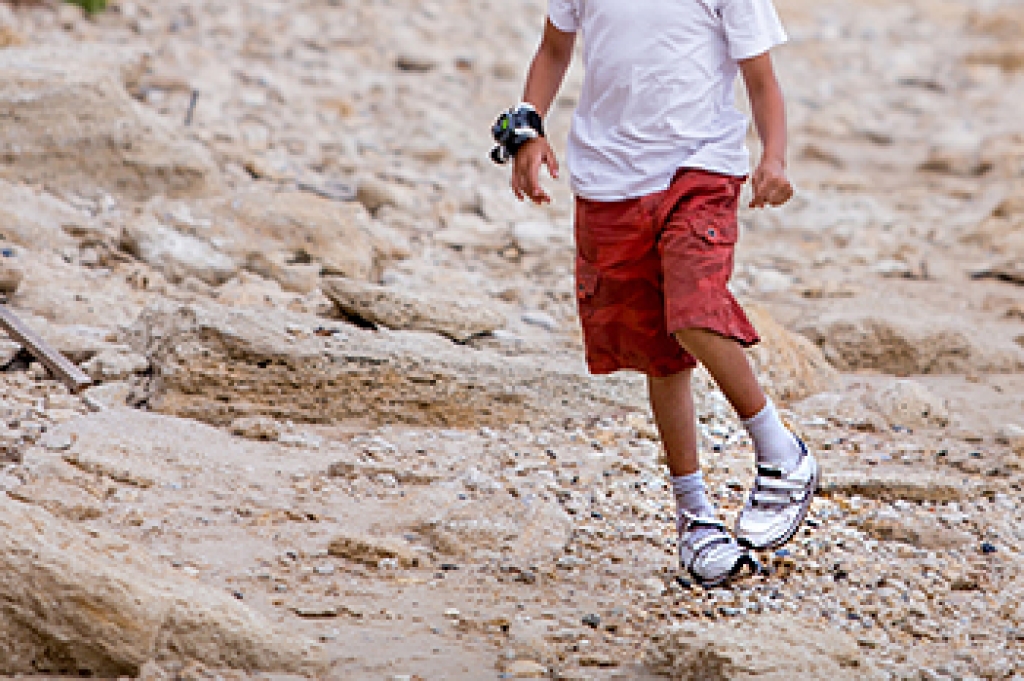
Clubfoot and Early Treatment Options

Clubfoot is a congenital condition in which a baby’s foot is twisted inward and downward, affecting alignment and movement. The exact cause is not always clear, but it is often linked to genetic factors and differences in muscle and tendon development. Symptoms include a visibly turned foot, stiffness, and limited range of motion. Early treatment is important for healthy development. The Ponseti method uses gentle stretching and casting to gradually correct the position, while the French method involves daily stretching and taping. A podiatrist can help guide treatment, monitor progress, and support proper foot function. If your child was born with clubfoot, it is strongly suggested that you include a podiatrist on your health-care team to ensure the best outcome for healthy foot development.

Congenital foot problems require immediate attention to avoid future complications. If you have any concerns, contact One of our podiatrist of Santi Podiatry Group. Our doctors can provide the care you need to keep you pain-free and on your feet.

Congenital foot problems are deformities affecting the feet, toes, and/or ankles that children are born with. Some of these conditions have a genetic cause while others just happen. Some specific foot ailments that children may be born with include clubfeet, polydactyly/macrodactyly, and cleft foot. There are several other foot anomalies that can occur congenitally. What all of these conditions have in common is that a child may experience difficulty walking or performing everyday activities, as well as trouble finding footwear that fits their foot deformity. Some of these conditions are more serious than others. Consulting with a podiatrist as early as possible will help in properly diagnosing a child’s foot condition while getting the necessary treatment underway.

What are Causes of Congenital Foot Problem?

A congenital foot problem is one that happens to a child at birth. These conditions can be caused by a genetic predisposition, developmental or positional abnormalities during gestation, or with no known cause.

What are Symptoms of Congenital Foot Problems?

Symptoms vary by the congenital condition. Symptoms may consist of the following:

  • Clubfoot, where tendons are shortened, bones are shaped differently, and the Achilles tendon is tight, causing the foot to point in and down. It is also possible for the soles of the feet to face each other.
  • Polydactyly, which usually consists of a nubbin or small lump of tissue without a bone, a toe that is partially formed but has no joints, or an extra toe.
  • Vertical talus, where the talus bone forms in the wrong position causing other bones in the foot to line up improperly, the front of the foot to point up, and the bottom of the foot to stiffen, with no arch, and to curve out.
  • Tarsal coalition, when there is an abnormal connection of two or more bones in the foot leading to severe, rigid flatfoot.
  • Cleft foot, where there are missing toes, a V-shaped cleft, and other anatomical differences.
  • Macrodactyly, when the toes are abnormally large due to overgrowth of the underlying bone or soft tissue.

Treatment and Prevention

While there is nothing one can do to prevent congenital foot problems, raising awareness and receiving neonatal screenings are important. Early detection by taking your child to a podiatrist leads to the best outcome possible.

If you have any questions, please feel free to contact our offices located in on 5th Street and Kings Highway Brooklyn, NY . We offer the newest diagnostic and treatment technologies for all your foot care needs.
Read more about Congenital Foot Problems

Causes of Achilles Tendonitis

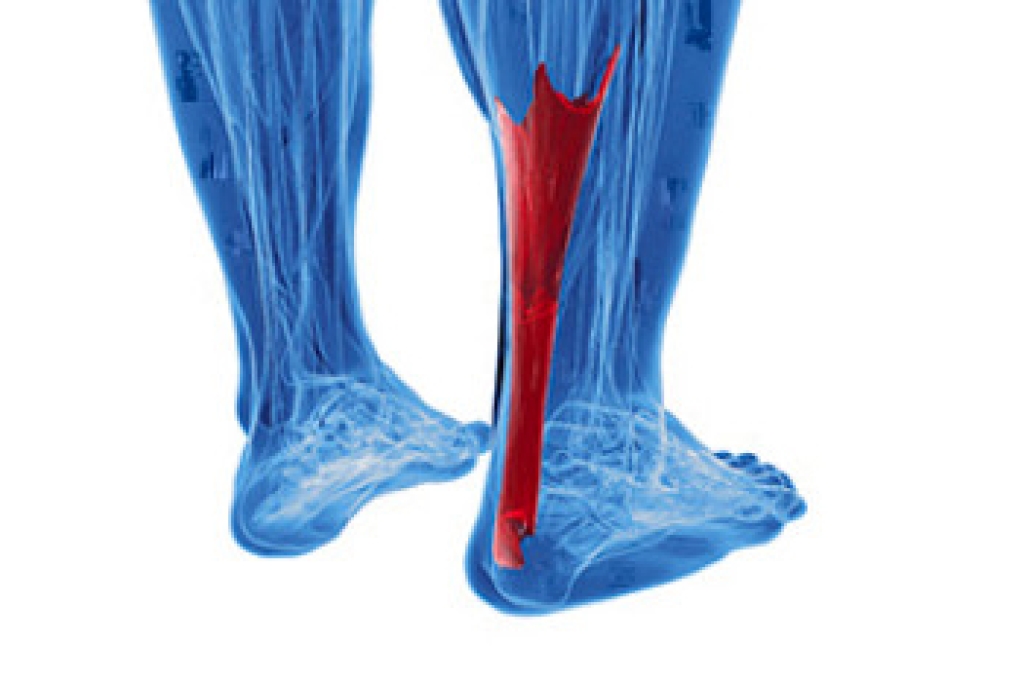
Achilles tendonitis causes pain and swelling in the tendon at the back of the heel. The Achilles tendon is a strong cord that connects the calf muscles to the heel bone. It can become irritated when it is overused or placed under too much stress. This might result from starting a new training program or attempting to resume a normal activity level after an injury. As calf muscles tighten they can increase tension on the tendon and lead to small tears in its fibers. Certain shoes also can contribute to Achilles tendonitis. Age, weight, and certain health conditions may further increase the risk. Pain may occur in the middle of the tendon or where it attaches to the heel. A podiatrist can identify the cause, evaluate movement, and provide treatment to reduce strain. If you are experiencing Achilles tendon pain, it is suggested that you make an appointment with a podiatrist for an exam, diagnosis, and treatment.

Achilles tendon injuries need immediate attention to avoid future complications. If you have any concerns, contact One of our podiatrist of Santi Podiatry Group. Our doctors can provide the care you need to keep you pain-free and on your feet.

What Is the Achilles Tendon?

The Achilles tendon is a tendon that connects the lower leg muscles and calf to the heel of the foot. It is the strongest tendon in the human body and is essential for making movement possible. Because this tendon is such an integral part of the body, any injuries to it can create immense difficulties and should immediately be presented to a doctor.

What Are the Symptoms of an Achilles Tendon Injury?

There are various types of injuries that can affect the Achilles tendon. The two most common injuries are Achilles tendinitis and ruptures of the tendon.

Achilles Tendinitis Symptoms

  • Inflammation
  • Dull to severe pain
  • Increased blood flow to the tendon
  • Thickening of the tendon

Rupture Symptoms

  • Extreme pain and swelling in the foot
  • Total immobility

Treatment and Prevention

Achilles tendon injuries are diagnosed by a thorough physical evaluation, which can include an MRI. Treatment involves rest, physical therapy, and in some cases, surgery. However, various preventative measures can be taken to avoid these injuries, such as:

  • Thorough stretching of the tendon before and after exercise
  • Strengthening exercises like calf raises, squats, leg curls, leg extensions, leg raises, lunges, and leg presses

If you have any questions please feel free to contact our offices located in on 5th Street and Kings Highway Brooklyn, NY . We offer the newest diagnostic tools and technology to treat your foot and ankle needs.

Read more about The Causes, Types, and Treatments of Achilles Tendon Injuries

Gout and Sudden Big Toe Pain

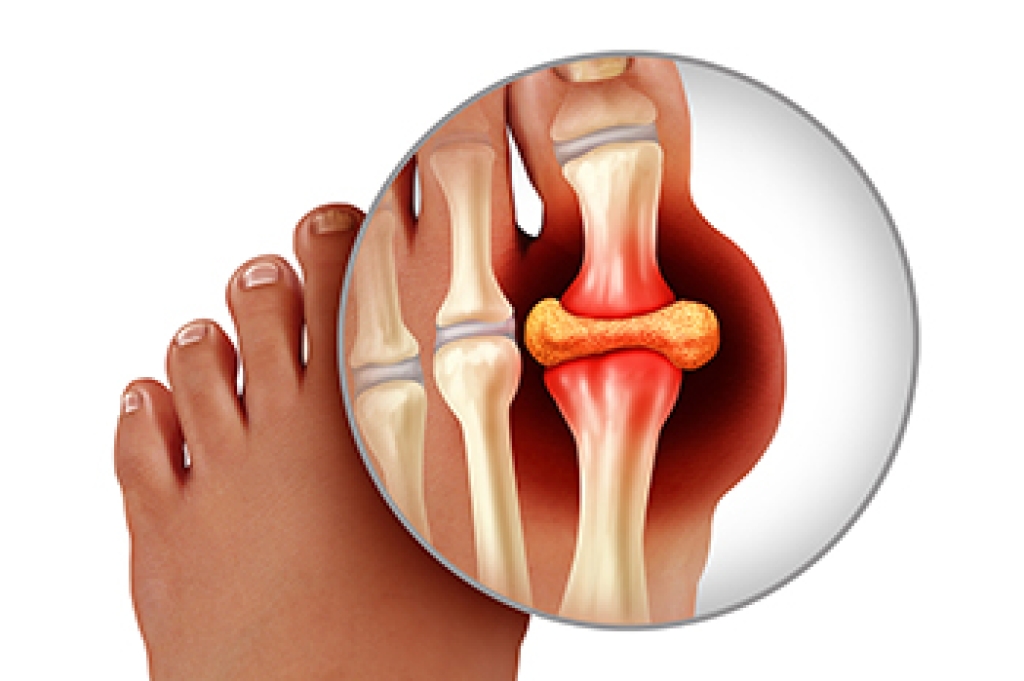
Gout is a form of arthritis caused by a buildup of uric acid crystals in the joints. It often affects the big toe because this joint is more prone to temperature changes and stress, which can encourage crystal formation. Symptoms include sudden intense pain, redness, swelling, and warmth, often occurring at night. Risk factors include a diet high in purines, obesity, dehydration, certain medications, and family history. Without proper care, flare-ups may become more frequent and severe. A podiatrist can diagnose gout, provide treatment to relieve pain, and offer guidance on lifestyle changes to reduce future attacks. If you have symptoms of gout, it is strongly suggested that you are under the care of a podiatrist who can help you to manage this painful condition.

Gout is a painful condition that can be treated. If you are seeking treatment, contact One of our podiatrist from Santi Podiatry Group. Our doctors will treat your foot and ankle needs.

What Is Gout?

Gout is a form of arthritis that is characterized by sudden, severe attacks of pain, redness, and tenderness in the joints. The condition usually affects the joint at the base of the big toe. A gout attack can occur at any random time, such as the middle of the night while you are asleep.

Symptoms

  • Intense Joint Pain - Usually around the large joint of your big toe, and it most severe within the first four to twelve hours
  • Lingering Discomfort - Joint discomfort may last from a few days to a few weeks
  • Inflammation and Redness -Affected joints may become swollen, tender, warm and red
  • Limited Range of Motion - May experience a decrease in joint mobility

Risk Factors

  • Genetics - If family members have gout, you’re more likely to have it
  • Medications - Diuretic medications can raise uric acid levels
  • Gender/Age - Gout is more common in men until the age of 60. It is believed that estrogen protects women until that point
  • Diet - Eating red meat and shellfish increases your risk
  • Alcohol - Having more than two alcoholic drinks per day increases your risk
  • Obesity - Obese people are at a higher risk for gout

Prior to visiting your podiatrist to receive treatment for gout, there are a few things you should do beforehand. If you have gout you should write down your symptoms--including when they started and how often you experience them, important medical information you may have, and any questions you may have. Writing down these three things will help your podiatrist in assessing your specific situation so that he or she may provide the best route of treatment for you.

If you have any questions, please feel free to contact our offices located in on 5th Street and Kings Highway Brooklyn, NY . We offer the newest diagnostic and treatment technologies for all your foot care needs.
Read more about Everything You Need to Know About Gout

Gout Pain Can Be Managed

Gout is a painful, inflammatory form of arthritis. Those affected will typically feel an intense stiffness in the joints of their feet, particularly in the big toe. Schedule a visit to learn about how gout can be managed and treated.

Corrective Exercises for In-Toeing

In-toeing is a walking pattern in which the feet point inward instead of straight ahead. It is commonly noticed in children, though it can continue into adulthood. Intoeing may be related to differences in bone alignment or muscle imbalance. Certain exercises can help improve strength and positioning. Crisscross sitting encourages proper hip alignment by having the child sit with legs crossed. Static balance involves standing still on one foot to build stability and control. Dynamic balance includes movement activities, such as walking on a line to improve coordination. Additionally, side-stepping helps strengthen the hips and supports better foot placement. A podiatrist can determine the underlying cause, suggest appropriate exercises, and track improvement. If you notice signs of in-toeing, it is suggested that you consult a podiatrist who can help you to manage this condition.

Exercising your feet regularly with the proper foot wear is a great way to prevent injuries and build strength. If you have any concerns about your feet, contact One of our podiatrist from Santi Podiatry Group. Our doctors can provide the care you need to keep you pain-free and on your feet.

Exercise for Your Feet

Exercise for your feet can help you gain strength, mobility and flexibility in your feet. They say that strengthening your feet can be just as rewarding as strengthening another part of the body. Your feet are very important, and we often forget about them in our daily tasks. But it is because of our feet that are we able to get going and do what we need to. For those of us fortunate enough to not have any foot problems, it is an important gesture to take care of them to ensure good health in the long run.

Some foot health exercises can include ankle pumps, tip-toeing, toe rises, lifting off the floor doing reps and sets, and flexing the toes. It is best to speak with Our doctors to determine an appropriate regimen for your needs. Everyone’s needs and bodies are different, and the activities required to maintain strength in the feet vary from individual to individual. 

Once you get into a routine of doing regular exercise, you may notice a difference in your feet and how strong they may become.

If you have any questions, please feel free to contact our offices located in on 5th Street and Kings Highway Brooklyn, NY . We offer the newest diagnostic and treatment technologies for all your foot care needs.
Read more about Exercise for Your Feet
scroll to top