Benefits of Walking and the Importance of Proper Footwear

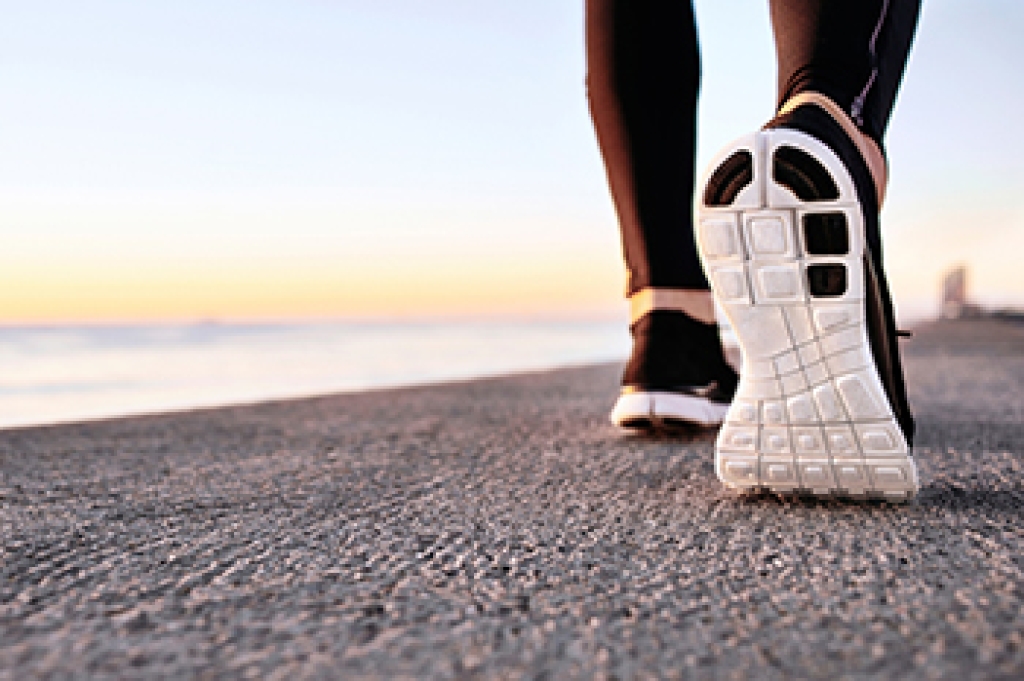
Walking is one of the most accessible and effective forms of exercise, offering a wide range of health benefits for people of all ages. Regular walking supports cardiovascular health, improves circulation, enhances joint mobility, and helps maintain a healthy body weight. It also promotes mental well-being by reducing stress and improving mood. Despite these benefits, the impact of walking on foot health depends heavily on proper support and alignment, which makes footwear a critical factor in preventing injury.

Wearing the right shoes for walking provides stability, cushioning, and arch support, all of which help distribute pressure evenly across the foot. Proper walking shoes reduce strain on the plantar fascia, tendons, and joints, allowing for a smoother and more efficient gait. In contrast, wearing the wrong shoes can lead to a range of foot conditions. Blisters are a common issue caused by friction between the foot and poorly fitting shoes. Soft tissue injuries, including tendon strain and ligament irritation, may also develop due to inadequate support or improper alignment.


Symptoms of foot problems related to poor footwear may include pain, redness, swelling, and discomfort during or after walking. Blisters may appear as fluid-filled areas on the skin, often caused by repeated rubbing. Soft tissue injuries may cause aching or sharp pain that worsens with activity. Risk factors include prolonged walking, wearing worn-out shoes, choosing footwear without proper arch support, and ignoring early signs of discomfort. These issues can gradually worsen if not addressed.


It is important to understand that walking provides significant health benefits, but wearing proper footwear is essential for protecting foot health. Selecting supportive, well-fitting shoes can prevent common injuries and improve overall comfort. If you have foot conditions from wearing the wrong shoes while walking, it is suggested you consult a podiatrist for an accurate diagnosis, appropriate treatment, and guidance on proper footwear.

Exercising your feet regularly with the proper foot wear is a great way to prevent injuries and build strength. If you have any concerns about your feet, contact One of our podiatrist from Santi Podiatry Group. Our doctors can provide the care you need to keep you pain-free and on your feet.

Exercise for Your Feet

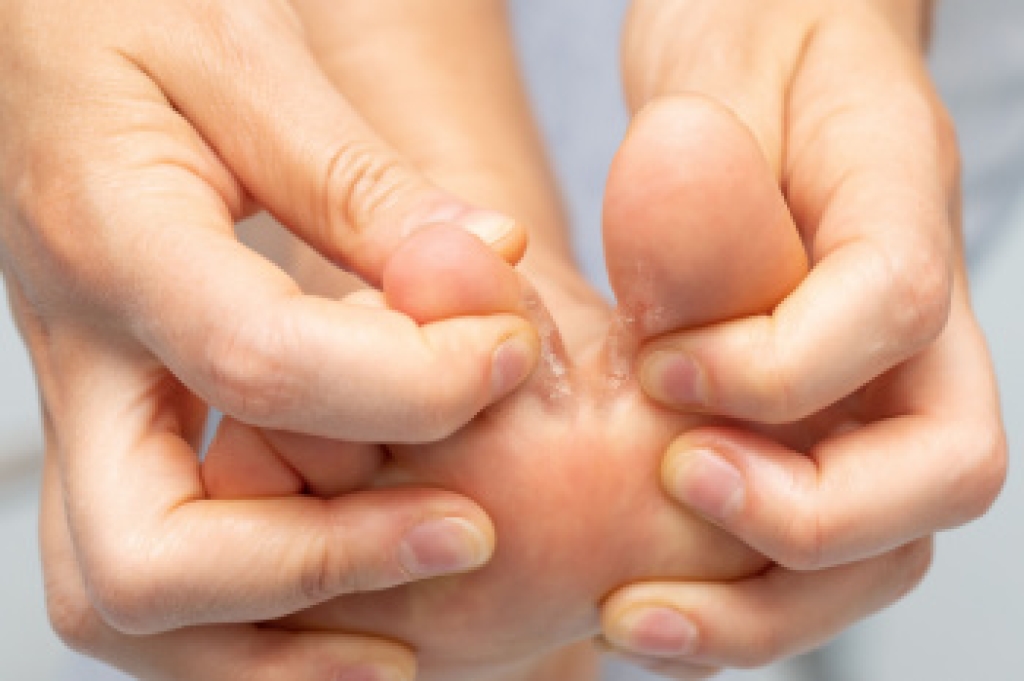
Exercise for your feet can help you gain strength, mobility and flexibility in your feet. They say that strengthening your feet can be just as rewarding as strengthening another part of the body. Your feet are very important, and we often forget about them in our daily tasks. But it is because of our feet that are we able to get going and do what we need to. For those of us fortunate enough to not have any foot problems, it is an important gesture to take care of them to ensure good health in the long run.

Some foot health exercises can include ankle pumps, tip-toeing, toe rises, lifting off the floor doing reps and sets, and flexing the toes. It is best to speak with Our doctors to determine an appropriate regimen for your needs. Everyone’s needs and bodies are different, and the activities required to maintain strength in the feet vary from individual to individual. 

Once you get into a routine of doing regular exercise, you may notice a difference in your feet and how strong they may become.

If you have any questions, please feel free to contact our offices located in on 5th Street and Kings Highway Brooklyn, NY . We offer the newest diagnostic and treatment technologies for all your foot care needs.

Read more about Exercise for Your Feet

How Athlete's Foot Is Evaluated

Athlete’s foot is a common fungal skin infection that affects the feet, often causing itching, peeling, cracking, redness, or burning between the toes or along the soles. Because other skin conditions can look similar, proper evaluation is important before treatment begins. A podiatrist will examine the appearance, location, and severity of the skin changes while asking about symptoms, duration, footwear habits, moisture exposure, and previous episodes. In some cases, a small skin sample may be collected to help confirm whether fungus is present, and rule out other causes such as eczema or psoriasis. Evaluation also includes checking for skin breakdown, secondary infection, or nail involvement, which can complicate treatment. Early diagnosis can help prevent worsening discomfort and spread to other areas. If you have persistent foot itching, scaling, or painful skin changes, it is suggested that you visit a podiatrist for an assessment and appropriate treatment. 

Athlete’s Foot

Athlete’s foot is often an uncomfortable condition to experience. Thankfully, podiatrists specialize in treating athlete’s foot and offer the best treatment options. If you have any questions about athlete’s foot, consult with One of our podiatrist from Santi Podiatry Group. Our doctors will assess your condition and provide you with quality treatment.

What Is Athlete’s Foot?

Tinea pedis, more commonly known as athlete’s foot, is a non-serious and common fungal infection of the foot. Athlete’s foot is contagious and can be contracted by touching someone who has it or infected surfaces. The most common places contaminated by it are public showers, locker rooms, and swimming pools. Once contracted, it grows on feet that are left inside moist, dark, and warm shoes and socks.

Prevention

The most effective ways to prevent athlete’s foot include:

  • Thoroughly washing and drying feet
  • Avoid going barefoot in locker rooms and public showers
  • Using shower shoes in public showers
  • Wearing socks that allow the feet to breathe
  • Changing socks and shoes frequently if you sweat a lot

Symptoms

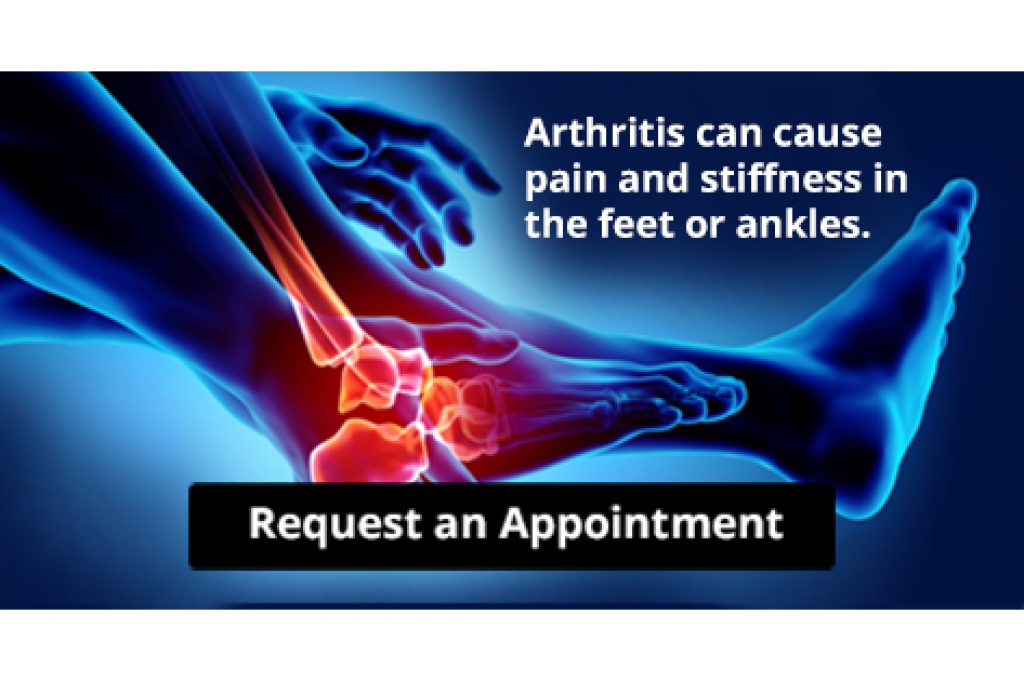
Athlete’s foot initially occurs as a rash between the toes. However, if left undiagnosed, it can spread to the sides and bottom of the feet, toenails, and if touched by hand, the hands themselves. Symptoms include:

  • Redness
  • Burning
  • Itching
  • Scaly and peeling skin

Diagnosis and Treatment

Diagnosis is quick and easy. Skin samples will be taken and either viewed under a microscope or sent to a lab for testing. Sometimes, a podiatrist can diagnose it based on simply looking at it. Once confirmed, treatment options include oral and topical antifungal medications.

If you have any questions, please feel free to contact our offices located in on 5th Street and Kings Highway Brooklyn, NY . We offer the newest diagnostic and treatment technologies for all your foot care needs.
Read more about How to Deal with Athlete's Foot

When Baby Has an Ingrown Toenail

Babies can develop ingrown toenails when the edge of the nail grows into the surrounding skin. This problem usually affects the big toe and can cause redness, swelling, and tenderness. Your baby may cry when the toe is touched. Older children may limp or avoid wearing shoes because of pain.  wearing tight socks, fast-growing nails, and trimming nails too short can increase the risk of an ingrown toenail. A podiatrist can examine the toe and check for signs of infection. Symptoms include warmth, pus, or spreading redness. Treatment includes carefully lifting the nail away from the skin and reducing pressure on the toe. The podiatrist may also recommend shoes or socks that fit more comfortably. Information on nail trimming may be given to help prevent recurrence. Prompt treatment helps relieve discomfort and lowers the chance of infection. If your child has signs of an ingrown toenail, it is suggested that you promptly schedule an appointment with a podiatrist for effective treatment solutions.

Ingrown toenails can become painful if they are not treated properly. For more information about ingrown toenails, contact One of our podiatrist of Santi Podiatry Group. Our doctors can provide the care you need to keep you pain-free and on your feet.

Ingrown Toenails

Ingrown toenails occur when a toenail grows sideways into the bed of the nail, causing pain, swelling, and possibly infection.

Causes

  • Bacterial infections
  • Improper nail cutting such as cutting it too short or not straight across
  • Trauma to the toe, such as stubbing, which causes the nail to grow back irregularly
  • Ill-fitting shoes that bunch the toes too close together
  • Genetic predisposition

Prevention

Wearing proper fitting shoes and using proper cutting techniques will also help decrease your risk of developing ingrown toenails.

Treatment

Ingrown toenails are a very treatable foot condition. In minor cases, soaking the affected area in salt or antibacterial soaps will not only help with the ingrown nail itself, but also help prevent any infections from occurring. In more severe cases, surgery is an option. In either case, speaking to your podiatrist about this condition will help you get a better understanding of specific treatment options that are right for you.

If you have any questions, please feel free to contact our offices located in on 5th Street and Kings Highway Brooklyn, NY . We offer the newest diagnostic and treatment technologies for all your foot care needs.
Read more about Ingrown Toenails

Running Styles and Their Impact on Foot Health

Running can take many forms, including jogging, sprinting, and treadmill training, and each places different demands on the feet. Jogging is steady and lower impact, while sprinting involves powerful bursts that increase stress on muscles and joints. Treadmill running offers a controlled surface, but may alter natural movement patterns. One important factor in all forms of running is proper foot strike, which refers to how the foot meets the ground. Poor foot strike can lead to strain, discomfort, and overuse injuries. These issues may develop gradually and affect performance and comfort. A podiatrist can assess gait, identify imbalances, and recommend proper support or footwear to reduce stress on the feet and ankles. If you notice foot pain during or after running, it is strongly suggested that you visit a podiatrist for an evaluation and appropriate treatment solutions.

Foot Pain

Foot pain can be extremely painful and debilitating. If you have a foot pain, consult with One of our podiatrist from Santi Podiatry Group. Our doctors will assess your condition and provide you with quality foot and ankle treatment.

Causes

Foot pain is a very broad condition that could be caused by one or more ailments. The most common include:

  • Bunions
  • Hammertoes
  • Plantar Fasciitis
  • Bone Spurs
  • Corns
  • Tarsal Tunnel Syndrome
  • Ingrown Toenails
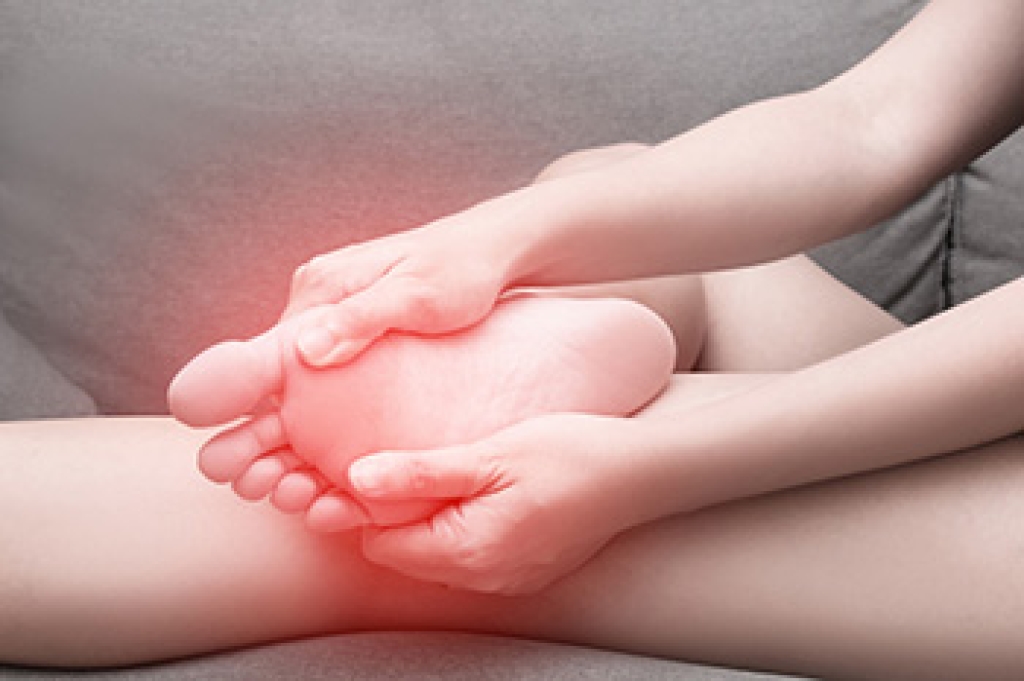
  • Arthritis (such as Gout, Rheumatoid, and Osteoarthritis)
  • Flat Feet
  • Injury (from stress fractures, broken toe, foot, ankle, Achilles tendon ruptures, and sprains)
  • And more

Diagnosis

To figure out the cause of foot pain, podiatrists utilize several different methods. This can range from simple visual inspections and sensation tests to X-rays and MRI scans. Prior medical history, family medical history, and any recent physical traumatic events will all be taken into consideration for a proper diagnosis.

Treatment

Treatment depends upon the cause of the foot pain. Whether it is resting, staying off the foot, or having surgery; podiatrists have a number of treatment options available for foot pain.

If you have any questions, please feel free to contact our offices located in on 5th Street and Kings Highway Brooklyn, NY . We offer the newest diagnostic and treatment technologies for all your foot care needs.

Read more about Foot Pain
scroll to top