
When Plantar Warts Become a Problem

Plantar warts are harmless skin growths that develop on the bottom of the feet. They form when a virus causes the top layer of the skin to grow quickly. Because plantar warts appear on weight-bearing areas of the foot, they may become painful while walking or standing. Some warts eventually disappear without treatment, although this process can take months or even years. Plantar warts can also spread easily. Touching a wart and then another area of the body may spread the virus, and sharing certain personal items can pass it to other people.


Many plantar warts do not require treatment, but podiatric care may be appropriate when a wart becomes painful or begins to spread. Treatment options vary, depending on the individual and the wart. A podiatrist may prescribe a stronger topical medicine or inject a medication. Plantar warts can also be removed through freezing or a surgical procedure. Changes around a wart should receive medical attention when they suggest an infection. Increased pain, swelling, or warmth may be warning signs. Red streaks, drainage, or fever are other reasons to seek prompt medical care. A wart that does not improve as expected should also be evaluated.


A podiatrist can examine a plantar wart and determine what form of treatment is appropriate, especially when foot pain makes walking uncomfortable. Because podiatrists specialize in foot health, they can assess the affected area and discuss treatment options based on the wart and the patient’s symptoms. Follow-up care is also an important part of monitoring treatment and addressing problems that develop. Seeking podiatric care can be particularly helpful when plantar warts are persistent, spreading, or interfering with normal movement. If a painful plantar wart is making walking difficult or continues to spread, it is suggested that you consult a podiatrist for an evaluation and appropriate treatment options.

Plantar warts can be very uncomfortable. If you need your feet checked, contact One of our podiatrist from Santi Podiatry Group. Our doctors will assist you with all of your foot and ankle needs.

About Plantar Warts

Plantar warts are the result of HPV, or human papillomavirus, getting into open wounds on the feet. They are mostly found on the heels or balls of the feet.

While plantar warts are generally harmless, those experiencing excessive pain or those suffering from diabetes or a compromised immune system require immediate medical care. Plantar warts are easily diagnosed, usually through scraping off a bit of rough skin or by getting a biopsy.

Symptoms

  • Lesions on the bottom of your feet, usually rough and grainy
  • Hard or thick callused spots
  • Wart seeds, which are small clotted blood vessels that look like little black spots
  • Pain, discomfort, or tenderness of your feet when walking or standing

Treatment

  • Freezing
  • Electric tool removal
  • Laser Treatment
  • Topical Creams (prescription only)
  • Over-the-counter medications

To help prevent developing plantar warts, avoid walking barefoot over abrasive surfaces that can cause cuts or wounds for HPV to get into. Avoiding direct contact with other warts, as well as not picking or rubbing existing warts, can help prevent the further spread of plantar warts. However, if you think you have developed plantar warts, speak to your podiatrist. He or she can diagnose the warts on your feet and recommend the appropriate treatment options.

If you have any questions, please feel free to contact our offices located in on 5th Street and Kings Highway Brooklyn, NY . We offer the newest diagnostic and treatment technologies for all your foot care needs.


Read more about What Are Plantar Warts?

Reminder: When Was the Last Time...?

Custom orthotics, or shoe inserts, should be periodically replaced. Orthotics must fit properly to give you the best results. Protect your feet and ankles!

Podiatric Guidance for a Broken Ankle

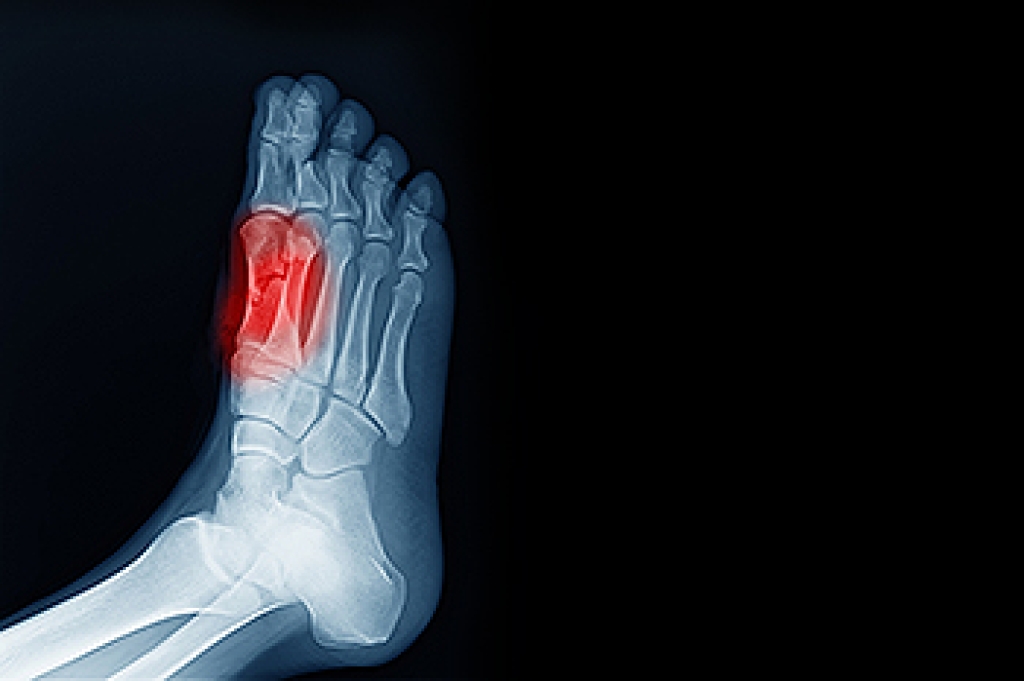
A broken ankle can affect the bones that connect the lower leg to the foot. The three main bones that make up the ankle are the tibia, or shin bone, the fibula, or smaller leg bone, and the talus, which helps connect the leg to the foot. A fracture can happen after a twisting injury, fall, or sudden impact. Pain is usually strong, and swelling and bruising can develop surrounding the ankle. Some patients cannot put weight on the injured foot or move the ankle normally. An ankle that looks out of place needs prompt medical attention. Early evaluation is important because a severe fracture can affect ankle stability and movement.

A podiatrist can examine the ankle and review imaging, such as  X-rays, to understand the location and severity of the break. The type of fracture helps determine the appropriate treatment. A stable fracture can sometimes heal with a protective boot or cast. A more serious or unstable fracture may require surgery to bring the bones back into proper position and help the ankle heal correctly. A podiatrist can also monitor the injury as it heals and check for problems with movement, pain, or swelling. Treatment plans are based on the specific fracture and the condition of the ankle.

Recovery from a broken ankle can take time, especially when more than one bone is injured. Some patients experience stiffness, soreness, or pain after the fracture has healed. An ankle fracture can also affect how the joint moves and can increase the chance of arthritis, which is a condition that causes joint pain and stiffness. A podiatrist can assess healing, monitor changes in movement, and help guide the return to normal activities. Follow-up care can also help identify concerns that could affect the ankle’s function. If you have broken your ankle, it is suggested that you schedule an appointment with a podiatrist for effective relief and treatment solutions. 

Broken ankles need immediate treatment. If you are seeking treatment, contact One of our podiatrist from Santi Podiatry Group. Our doctors can provide the care you need to keep you pain-free and on your feet. 

Broken Ankles
A broken ankle is experienced when a person fractures their tibia or fibula in the lower leg and ankle area. Both of these bones are attached at the bottom of the leg and combine to form what we know to be our ankle.

When a physician is referring to a break of the ankle, he or she is usually referring to a break in the area where the tibia and fibula are joined to create our ankle joint. Ankles are more prone to fractures because the ankle is an area that suffers a lot of pressure and stress. There are some obvious signs when a person experiences a fractured ankle, and the following symptoms may be present.

Symptoms of a Fractured Ankle

  • Excessive pain when the area is touched or when any pressure is placed on the ankle
  • Swelling around the area
  • Bruising of the area
  • Area appears to be deformed

If you suspect an ankle fracture, it is recommended to seek treatment as soon as possible. The sooner you have your podiatrist diagnose the fracture, the quicker you’ll be on the way towards recovery.

If you have any questions, please feel free to contact our offices located in on 5th Street and Kings Highway Brooklyn, NY . We offer the newest diagnostic and treatment technologies for all your foot care needs.
Read more about Broken Ankle Causes, Differences, Symptoms and Treatments

Pain Under the Big Toe Can Signal Sesamoiditis

Pain under the base of the big toe may be caused by two small bones, called sesamoids. They sit beneath the end of the long bone that connects to the big toe. The tiny bones help the big toe move and absorb pressure as the foot pushes off the ground. In some cases, a sesamoid bone is fractured or shifts from its usual position. Dancers, certain athletes, and runners face a higher risk because their activities place repeated pressure on the front of the foot. High arches, bunions, and frequent wearing of high-heeled shoes can also increase strain in this area.

Pain from sesamoiditis is usually centered under the big-toe joint and can develop gradually. It may become sharper when walking, running, or bending the big toe upward. Walking barefoot can be painful because there is little protection beneath the sore area. Wearing thin-soled and high-heeled shoes can also make symptoms worse. The skin near the joint may appear red, warm, or swollen. These signs can resemble a fracture, arthritis, or gout. Continuing to place pressure on the area can limit movement and make a patient change how the foot meets the ground.

A podiatrist can examine the painful area, check big-toe movement, and evaluate the way pressure moves through the foot. X-rays can help identify a fracture, arthritis, or a change in the position of a sesamoid bone. An MRI scan or another imaging test can provide more detail when the source of pain remains unclear. A podiatrist can provide offloading pads, prescribe custom orthotics, or recommend shoes with thick soles and lower heels. A podiatrist also may suggest taping, a brace, or a walking boot to limit painful movement while healing. Surgery is rarely considered, but it can be an option for severe damage that does not improve with other care. If you have symptoms of sesamoiditis, it is suggested that you schedule an appointment with a podiatrist for a diagnosis and appropriate treatment.

Toe pain can disrupt your daily activities. If you have any concerns, contact One of our podiatrist of Santi Podiatry Group. Our doctors can provide the care you need to keep you pain-free and on your feet.

What Causes Toe Pain?

Most severe toe pain is caused due to a sports injury, trauma from dropping something heavy on the toe, or bumping into something rigid. Other problems can develop over time for various reasons.

Toe pain can be caused by one or more ailments. The most common include:

  • Trauma
  • Sports injury
  • Wearing shoes that are too tight
  • Arthritis
  • Gout
  • Corns and calluses
  • Hammertoe
  • Bunions
  • Blisters
  • Ingrown toenails
  • Sprains
  • Fractures (broken bones)
  • Dislocations

When to See a Podiatrist

  • Severe pain
  • Persistent pain that lasts more than a week
  • Signs of infection
  • Continued swelling
  • Pain that prevents walking

Diagnosis

In many cases the cause of toe pain is obvious, but in others, a podiatrist may want to use more advanced methods to determine the problem. These can range from simple visual inspections and sensation tests to X-rays and MRI scans. Prior medical history, family medical history, and any recent physical traumatic events will all be taken into consideration for a proper diagnosis.

Treatment

Treatments for toe pain and injuries vary and may include shoe inserts, padding, taping, medicines, injections, and in some cases, surgery. If you believe that you have broken a toe, please see a podiatrist as soon as possible.

If you have any questions please contact our offices located in on 5th Street and Kings Highway Brooklyn, NY . We offer the newest diagnostic and treatment technologies for all your foot and ankle needs.

Read more about Toe Pain

Facts About 5th Metatarsal Fractures

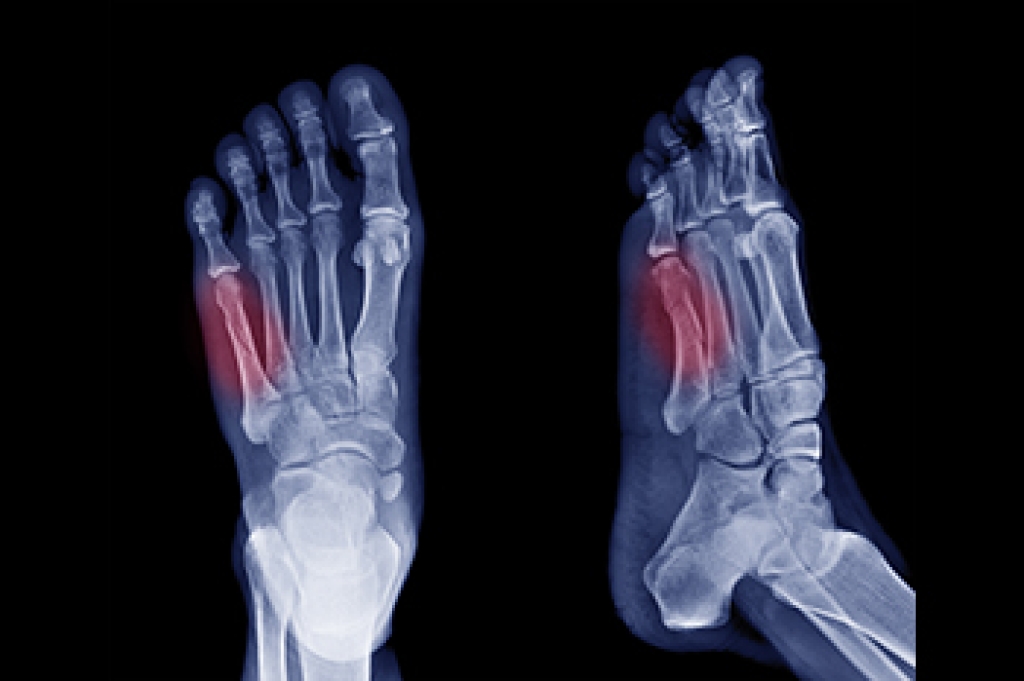
A Jones fracture is a break in the fifth metatarsal bone, which sits along the outside of the foot near the base of the little toe. This injury usually happens after a sudden twist, awkward landing, or forceful change in direction. People who participate in sporting activities that involve running and jumping, as well as dancers, face a higher risk, although anyone can experience this injury after a fall or misstep. It is different from a fracture at the very base of the bone, which has a distinctive healing pattern. Because blood flow to this area is limited, healing can take longer than many other foot fractures. Prompt evaluation helps identify the injury and reduce the risk of healing problems.

Symptoms include pain along the outside of the foot, swelling, bruising, and difficulty putting weight on the injured foot. Some patients hear or feel a snap when the injury happens. A podiatrist examines the foot, asks how the injury occurred, and orders X-rays to confirm the diagnosis. Advanced imaging is sometimes recommended when the fracture is difficult to see or another injury is suspected. Early diagnosis is important because a Jones fracture can fail to heal properly without appropriate treatment.

Treatment depends on the location of the break, the position of the bone, and a patient's activity level. Care includes a cast or walking boot and careful monitoring with follow-up examinations and imaging. Some fractures require surgery to improve bone alignment and increase the chance of successful healing. Regular follow-up visits allow the podiatrist to check healing progress and decide when normal activities can safely resume. Careful evaluation also helps distinguish a Jones fracture from other fractures affecting the fifth metatarsal because treatment recommendations are different for each injury. If you have symptoms of a Jones fracture, it is suggested that you schedule an appointment with a podiatrist for a diagnosis and appropriate treatment.

A broken foot requires immediate medical attention and treatment. If you need your feet checked, contact One of our podiatrist from Santi Podiatry Group. Our doctors can provide the care you need to keep you pain-free and on your feet.

Broken Foot Causes, Symptoms, and Treatment

A broken foot is caused by one of the bones in the foot typically breaking when bended, crushed, or stretched beyond its natural capabilities. Usually the location of the fracture indicates how the break occurred, whether it was through an object, fall, or any other type of injury. 

Common Symptoms of Broken Feet:

  • Bruising
  • Pain
  • Redness
  • Swelling
  • Blue in color
  • Numbness
  • Cold
  • Misshapen
  • Cuts
  • Deformities

Those that suspect they have a broken foot shoot seek urgent medical attention where a medical professional could diagnose the severity.

Treatment for broken bones varies depending on the cause, severity and location. Some will require the use of splints, casts or crutches while others could even involve surgery to repair the broken bones. Personal care includes the use of ice and keeping the foot stabilized and elevated.

If you have any questions, please feel free to contact our offices located in on 5th Street and Kings Highway Brooklyn, NY . We offer the newest diagnostic and treatment technologies for all your foot care needs.
Read more about Causes, Symptoms, and Treatment for a Broken Foot
scroll to top