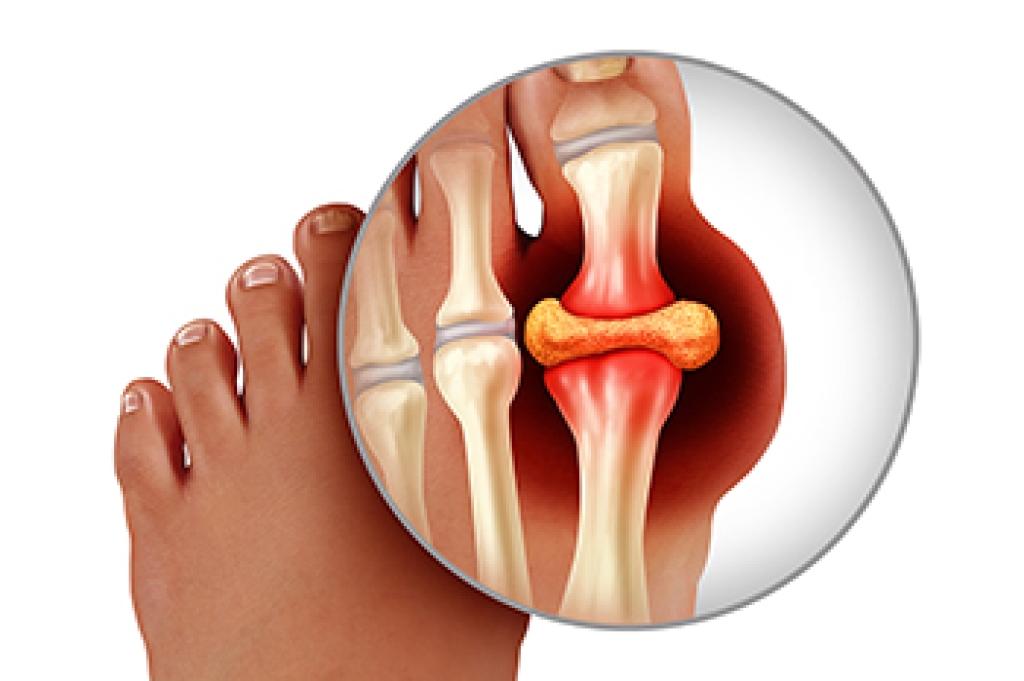
Gout is a form of inflammatory arthritis that develops when uric acid builds up in the blood and forms sharp crystals inside a joint. It commonly affects the big toe, although the ankles and other foot joints can also be involved. A gout attack may cause debilitating pain that begins suddenly and makes walking or wearing shoes difficult. The affected joint may become swollen and red, with stiffness that limits normal movement. Even light pressure from a bedsheet can feel uncomfortable during a severe flare-up. Although symptoms may settle within days or weeks, repeated attacks can lead to chronic arthritis and lasting joint damage without appropriate treatment.
Gout develops when the body produces too much uric acid or cannot remove enough of it. Uric acid forms as the body breaks down purines, which occur naturally in the body and in certain foods. When uric acid levels remain high, crystals can collect in joints and trigger inflammation. Some foods may increase the risk of gout flare-ups, particularly shellfish, anchovies, and organ meats, such as liver. These foods contain high levels of purines, which can raise uric acid levels in susceptible individuals. Alcohol, especially beer, and sugary drinks may also contribute to attacks. However, diet is only one factor, and gout can develop even when someone follows a balanced eating plan.
Several risk factors increase the likelihood of developing gout. These include a family history of the condition, being overweight, and reduced kidney function. Gout is more common in men, although women develop it, particularly after menopause. Certain medications and health conditions may also affect uric acid levels. Not everyone with elevated uric acid develops gout, so symptoms should be evaluated rather than assumed to have one cause. During an attack, the big toe may feel intensely tender and warm, while swelling makes comfortable footwear difficult to find. Recognizing recurring symptoms early helps prevent further joint damage and improve long-term foot health.
A podiatrist examines the foot joints, reviews symptoms, and assesses foot movement to determine whether gout may be responsible. Joint fluid analysis or imaging tests may be recommended when necessary to confirm the diagnosis or rule out other causes of inflammation. Treatment may include medication to reduce pain and swelling, along with advice about footwear and activity adjustments during a flare-up. Long-term management may involve dietary changes and strategies to help control uric acid levels. If you have developed gout, it is suggested that you be under the care of a podiatrist who will help you manage this painful condition.
Gout is a painful condition that can be treated. If you are seeking treatment, contact One of our podiatrist from Santi Podiatry Group. Our doctors will treat your foot and ankle needs.
What Is Gout?
Gout is a form of arthritis that is characterized by sudden, severe attacks of pain, redness, and tenderness in the joints. The condition usually affects the joint at the base of the big toe. A gout attack can occur at any random time, such as the middle of the night while you are asleep.
Symptoms
- Intense Joint Pain - Usually around the large joint of your big toe, and it most severe within the first four to twelve hours
- Lingering Discomfort - Joint discomfort may last from a few days to a few weeks
- Inflammation and Redness -Affected joints may become swollen, tender, warm and red
- Limited Range of Motion - May experience a decrease in joint mobility
Risk Factors
- Genetics - If family members have gout, you’re more likely to have it
- Medications - Diuretic medications can raise uric acid levels
- Gender/Age - Gout is more common in men until the age of 60. It is believed that estrogen protects women until that point
- Diet - Eating red meat and shellfish increases your risk
- Alcohol - Having more than two alcoholic drinks per day increases your risk
- Obesity - Obese people are at a higher risk for gout
Prior to visiting your podiatrist to receive treatment for gout, there are a few things you should do beforehand. If you have gout you should write down your symptoms--including when they started and how often you experience them, important medical information you may have, and any questions you may have. Writing down these three things will help your podiatrist in assessing your specific situation so that he or she may provide the best route of treatment for you.
If you have any questions, please feel free to contact our offices located in on 5th Street and Kings Highway Brooklyn, NY . We offer the newest diagnostic and treatment technologies for all your foot care needs.

